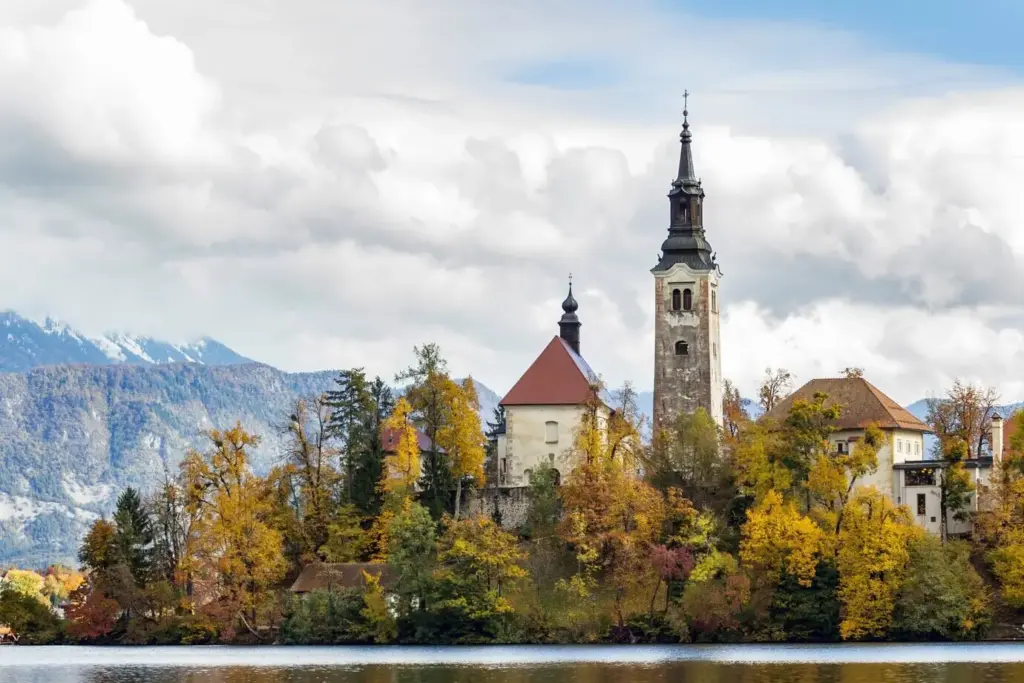
From Peaks to Tides: Savoring Place Through Slow Journeys

Today we follow Slow Food Routes: Regional Terroirs from Alpine Pastures to the Coast, tracing how altitude, soils, winds, and waters shape taste. We’ll meet herders, millers, gardeners, fishers, and cooks whose patient crafts protect biodiversity, honor memory, and invite us to travel gently, eat locally, and celebrate flavor as a living expression of land, culture, and care.

Alpine Pastures: Milk, Meadows, and Migration

High meadows teach patience. Spring grasses burst with flowers and herbs; summer sun deepens chlorophyll and carotenoids; autumn cool sharpens sweetness. Herders move with the seasons, and milk changes with every step, becoming cheeses that carry meadow songs, weather moods, and the quiet resolve of people who listen to animals and land before listening to clocks.

Following the Herds Across Heights

Transhumance is geography turned into nourishment. Cows, goats, and sheep climb as snow retreats, their grazing shifting daily, imprinting subtle gradients of aroma and fat into every milking. Morning fog, afternoon thunder, evening gentleness: each registers in the curd. Walk a ridge, taste the butter, and you’ll start reading altitude with your tongue.

Raw Milk, Microbes, and Trust

Raw milk carries a place’s invisible signature: native microflora, animal health, and clean hands. Centuries of know‑how—copper vats, wooden tools, precise temperatures—guide safe fermentations that preserve nuance. Rather than stripping character, makers steward it, balancing risk with ritual. Trust forms between microbes and craft, and flavor becomes a truthful conversation, not a sterilized speech.

Caves, Cellars, and Seasons

Aging is agriculture’s long exhale. Natural caves and cool cellars offer steady humidity, allowing rinds to bloom, crusts to wash, and pastes to mellow. Wooden boards breathe, turning wheels daily like prayer. Winter’s stillness tightens texture; summer’s liveliness pushes aromas outward. Slice open patience, and you taste rehearsed time, not hurried technology.

Grains, Mills, and Market Squares

Down from the ridges, village markets hum with sacks of heritage wheats, rye, buckwheat, and heirloom corn. Stone mills keep bran fragrant and germ alive, so bread tastes of fields, not factories. Elders swap seed stories; bakers carry starters like family heirlooms. Listen to the bells, buy a handful, and share your favorite flour memories below.

Heirloom Corn and the Texture of Polenta

Old corns like Otto File, Pignoletto, or Marano grind into coarse, glittering grits that refuse to be rushed. Water whispers, bubbles rise, arm stirs. Forty minutes later, you’re rewarded with depth, not glue. Topped with mountain cheese or coastal anchovies, polenta becomes a bridge between altitudes, carrying stories in every golden spoonful.

Village Starters That Carry Memory

A sourdough starter is a portable map of place. Wild yeasts hitch rides on flour and hands, creating aromas particular to a mill, a lane, a kitchen window. One jar divides into gifts, traveling across valleys. Feed yours thoughtfully, taste its accents, and tell us where yours was born so our readers can trace that living lineage.

The Millers’ Craft and the Music of Stones

Millstones sing when balanced just right. Too tight, flour heats and dulls; too loose, bran shreds unevenly. Skilled millers listen for pitch, watch for texture, then sift with humility, letting grain speak. The resulting flour blooms when wet, smelling of fields after rain. Subscribe for our seasonal mill map and meet these quiet virtuosos.

Orchards, Chestnuts, and the Edge of the Forest

Between terraces and tree lines, fruit and nut cultures anchor winters and sweeten springs. Chestnut groves—once called bread trees—return with renewed dignity. Old apple varieties perfume cool cellars. Bees trace floral corridors, while foragers gather thoughtfully. Here, generosity and restraint are twin values: take less, celebrate more, and let the hillside keep telling its stories.

The Bread Tree Returns

Chestnuts dried in smokehouses, ground into flour, and baked into cakes or crepes once saved mountain families from hunger. Today, careful stewardship revives neglected groves, pruning for light, rebuilding stone walls, and honoring ancient drying sheds. Bite into a honeyed slice, and you taste a community reclaiming dignity through attentive work and seasonal gratitude.

Honey as a Map of Flowers

Alpine and foothill honeys translate blossoms into syllables of flavor: linden’s minty lift, chestnut’s tannic backbone, alpine meadow’s herb perfume. Apiaries migrate responsibly, avoiding monocultures, protecting bees’ varied diets. Swirl a spoonful in tea, then describe the landscape you sense. Your tasting notes help spotlight beekeepers who farm for life, not yield alone.

Foraging with Respect and Joy

Wild herbs, mushrooms, and berries ask for restraint, identification, and reciprocity. Learn with guides, carry a basket, leave roots intact, and skip fragile zones during drought. Cook simply: a handful of sorrel brightens soup; juniper lifts venison; elderflowers perfume syrup. Share your code of respect so newcomers inherit wisdom alongside recipes and excitement.

Oysters That Speak of Tides

An oyster’s mineral tone mirrors currents, algae, and silt. Taste brine, then sweetness, then a whisper of copper or cucumber. Farmers manage phytoplankton, rotate bags, and clean by hand. Pair with cool river‑kissed whites or cider, share your slurp notes in the comments, and help map coastlines through the most elemental of tastings.

Small Boats, Fair Prices, Full Respect

Artisanal fishers set nets with restraint, land by hand, and sell transparently. Fair prices keep them solvent and seas resilient. Ask for species in season, celebrate humble fish, and value skill over spectacle. Your choices nudge markets toward dignity. Post your favorite small‑boat fishmonger so travelers can route their journeys through ethical harbors.

Salt Pans and the Taste of Wind

In shallow pans, sun and breeze coax brine into crystals. Paludiers rake fleur de sel delicately, preserving fragile geometry and delicate crunch. Trace minerals carry whispers of marsh herbs and migratory birds. Sprinkle on tomatoes or buttered bread, and notice how simple food lifts. Tag your cherished saltworks to support guardians of wind‑made flavor.

Olive Groves, Citrus Light, and Coastal Gardens

Terraced olives hold soil against winter storms, their silver leaves flashing like schools of fish. Early harvest oils deliver pepper and grip from abundant polyphenols; late oils soften into meadow calm. Lemons brighten rainy days, preserved peels storing sunshine for stews and fish. Share your favorite marinade so our road atlas includes your kitchen, too.

First Press Stories and Peppery Finishes

Handpicked fruit, milled within hours, yields luminous oil that pricks the throat—an antioxidant handshake. Varieties like Taggiasca, Koroneiki, or Picual each speak differently. Drizzle on beans, shave cheese, add only a flake of salt. Tell us which grove surprised you most, and we’ll add it to our slow traveler’s harvest calendar.

Zest, Brine, and Sunshine in Jars

Preserved lemons turn acidity into velvet. Salt draws juices, fermentation tames edges, and months later a spoonful perfumes couscous, roast fish, or chickpeas. Candy peels for cakes; infuse rinds in olive oil for dressings. Drop your best pairing ideas in the comments—our readers love bright shortcuts that respect seasons and reduce waste.
Cooking Slowly, Eating Together

Time is the ingredient that reveals terroir’s quiet edges. Broths collect bones, peels, and patience; braises stitch mountain meats to coastal anchovies; beans remember terraces with every gentle simmer. Set a generous table, pour local wine, pass bread, and let conversation travel farther than any road, binding journeys into nourishing memory.

Broths That Hold the Landscape

Save leek tops, fennel fronds, fish frames, and cheese rinds; simmer softly, never boiling anger into the pot. Add herbs you met on hikes; taste, adjust, and rest. A clear broth teaches humility and restraint. Share your freezer organization tricks so others can keep flavor libraries ready for welcoming, last‑minute soups.

Braises That Bridge Mountains and Sea

Slow‑cooked shanks brightened with anchovy and lemon zest prove that distance dissolves in a pot. Alpine aromatics, coastal salinity, orchard acidity—everything reconciles over low heat. Serve with polenta or crusty bread. Post your favorite cross‑terrain pairing so travelers can pack one recipe that carries them from pastures to surf with grace.
Piraravosirakiraluma
Privacy Overview

This website uses cookies so that we can provide you with the best user experience possible. Cookie information is stored in your browser and performs functions such as recognising you when you return to our website and helping our team to understand which sections of the website you find most interesting and useful.